
We care about your privacy
We use cookies that are strictly necessary in order for this website to function properly, in addition to cookies relating to the improvement and customisation of this website's experience in order to carry out statistical analysis and to provide you with advertisements based on your interests. You can accept or reject all non-necessary cookies by clicking on the respective "Accept all" or "Reject" button or, alternatively, configure them according to your preferences by clicking on the "Settings" button. For more information, please visit our Cookies Policy.
Cookies are small text files sent to your browser by websites, allowing the storage and retrieval of information about your browsing habits. They play a vital role in ensuring the website operates efficiently and help enhance your user experience by providing personalized services.
We use cookies to:
| Category | Purpose |
|---|---|
| Necessary cookies | Essential for the website to function properly (e.g., navigation, secure login). |
| Preference cookies | Remember your preferences (language, region, display settings). |
| Statistical cookies | Collect anonymous data to analyze and improve website performance. |
| Marketing cookies | Used to display personalized advertisements based on your browsing habits. |
When you visit our website for the first time, a banner informs you about our use of cookies. You can:
You can also manage your cookie preferences directly in your browser settings. Below are quick instructions for the most common browsers:
For more information, visit www.allaboutcookies.org.
We may update this policy at any time to comply with legal requirements or technological changes.
For any questions regarding our cookie policy, please contact us at contact@travelparadise.fr
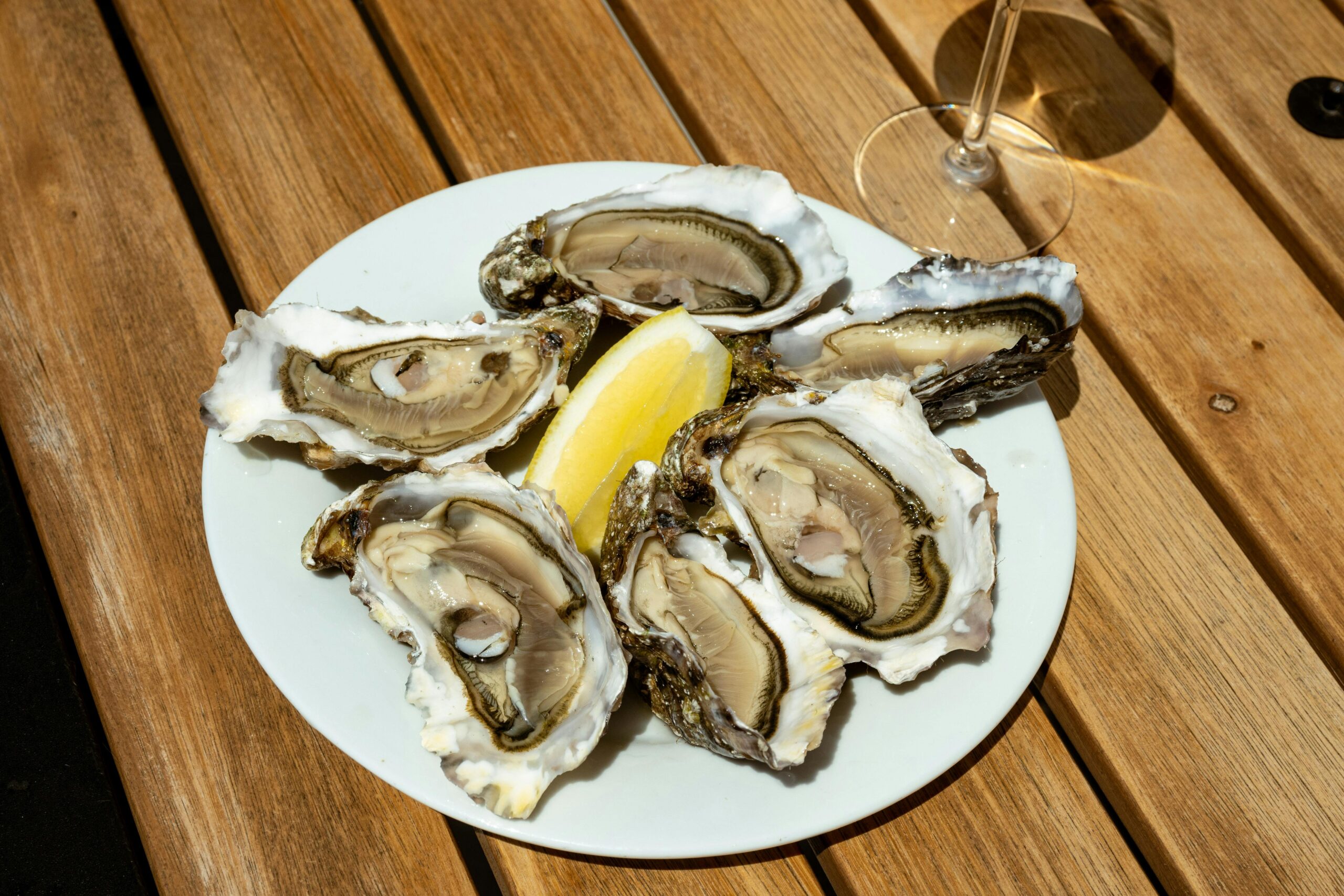
Île de Ré oysters are one of the most sought-after gastronomic treasures of the Atlantic coast. On the island, they are not merely a dish, they are a tradition, an essential ritual during every stay. This guide covers everything you need to know: types, seasons, the best oyster shacks and tasting tips.
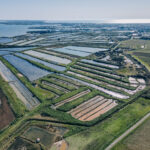
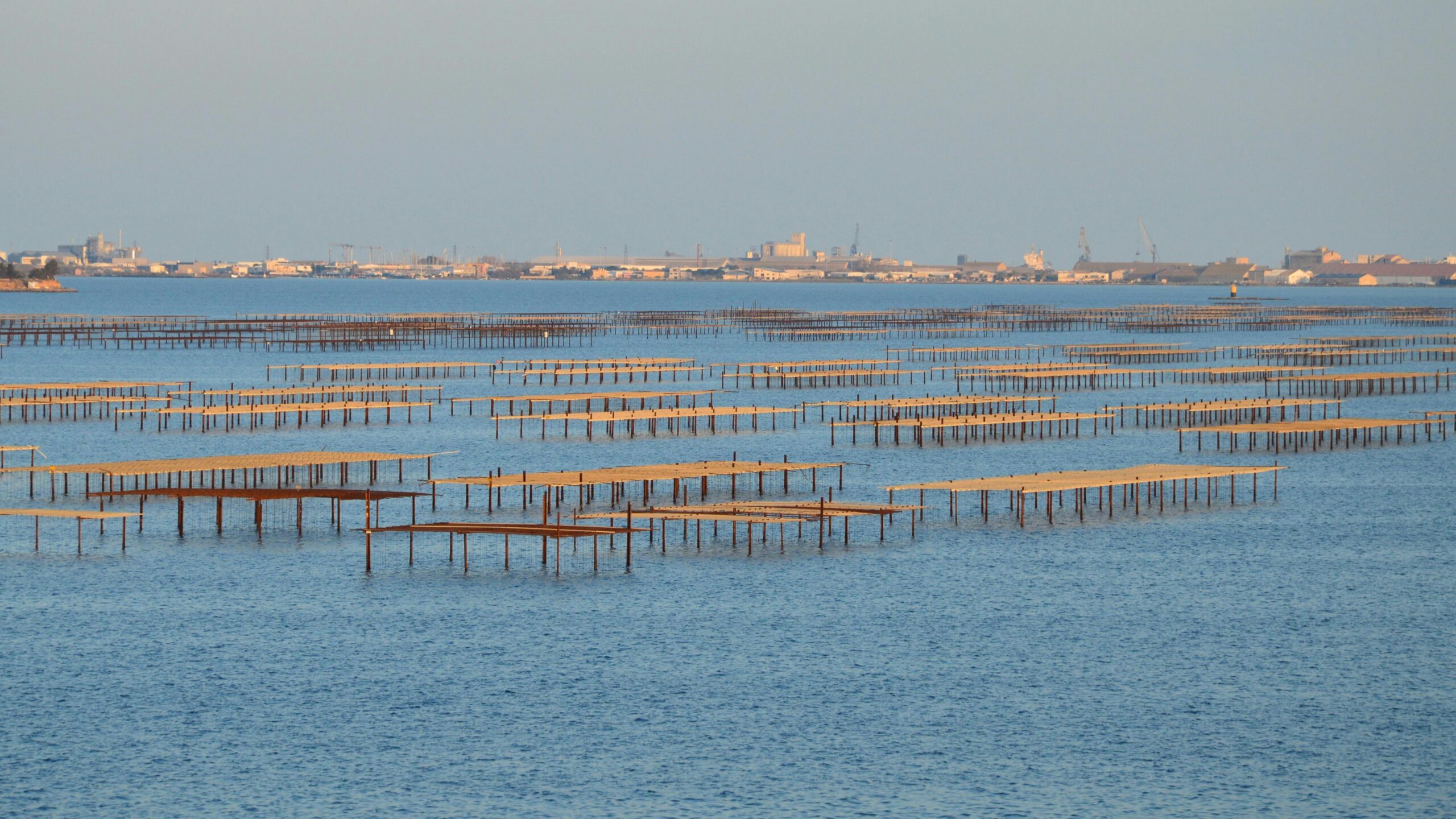
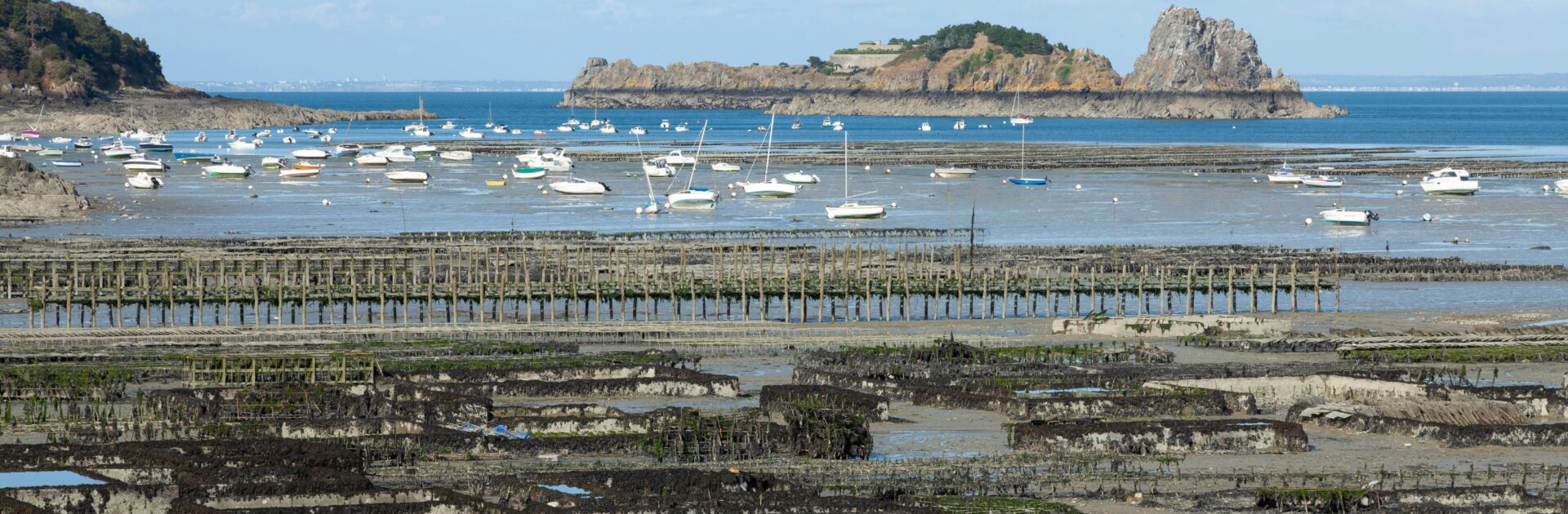
The Île de Ré produces approximately 10,000 tonnes of oysters per year. Around sixty family-run farms work across 550 hectares of sea concessions, mainly at Rivedoux-Plage, La Flotte, Loix and Ars-en-Ré.
The Atlantic waters, rich in plankton, meet the minerals from the salt marshes. This unique terroir gives Ré island oysters a crisp flesh, a distinctive minerality and a fine, elegant iodine flavour.
Plan your stay in a luxury villa on the Île de Ré to savour these gastronomic treasures at your own pace.
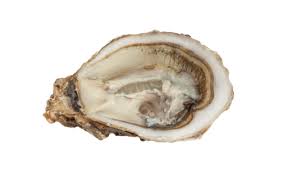
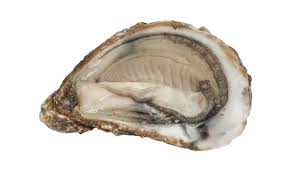
The most accessible. Fleshy and flavoursome meat, refined for a few weeks in a basin. Ideal for those trying oysters for the first time.
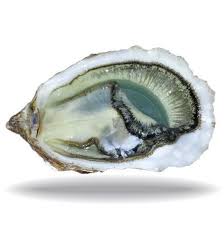
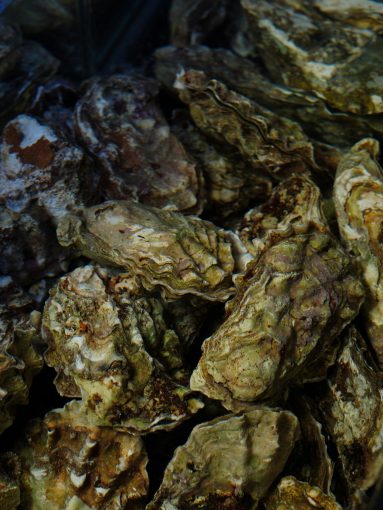
Less iodine-rich, slightly milder in flavour. Their greenish hue comes from a natural microalgae found in the refining basins.
The premium choice amongst Île de Ré oysters. Firm, generous flesh with a long-lasting finish on the palate. Refined for longer in the Ré island salt marshes. In Ars-en-Ré, the DoRê Oyster, refined in a Natura 2000 zone, develops a slightly sweet, nutty flavour.
Oyster sizes are read in reverse: the smaller the number, the larger the oyster.
TravelParadise Tip: No. 3 is the safe choice. For a prestige tasting, ask for a No. 2 Spéciale de Claire.
Oysters can be enjoyed all year round. Their profile changes with the seasons.
It is also the ideal season to rent an out-of-season villa on the Île de Ré — peace and quiet, authenticity, and oysters at their very best.
Le Corre Family Shack, oyster farmers since 1966. Breathtaking views over the ocean. Open from April to November, accessible by bicycle along the La Flotte – Saint-Martin cycle path.
A hidden gem in the heart of the salt marshes. Fine and special oysters, organic prawns, samphire velouté. An exceptional setting, accessible by bicycle or on foot.
An oyster estate in a Natura 2000 zone, 500 m from Ars-en-Ré market. Premium tasting experience, private hire avail
At the entrance to the island. Fine oysters awarded a Gold Medal at the Concours Général Agricole de Paris 2020. Perfect to enjoy on arrival or before departure.
Our rentals in Sainte-Marie-de-Ré and Rivedoux-Plage are just a few minutes’ cycle from these locations.
Open it using an oyster knife, inserting the blade into the hinge. Keep the liquor in the shell.
Enjoy it plain first to appreciate the iodine, minerality, then the delicate marine sweetness. For enthusiasts: lemon, shallot vinegar, or buttered rye bread. Avoid spicy sauces — they mask the subtlety of Île de Ré oysters.
Serve them chilled, between 8 and 12°C. Take them out of the fridge 10 minutes beforehand.
The perfect pairing: a dry white wine from Île de Ré, Muscadet sur lie or Chablis for special oysters. For special occasions: brut Champagne.
Related articles
Categories